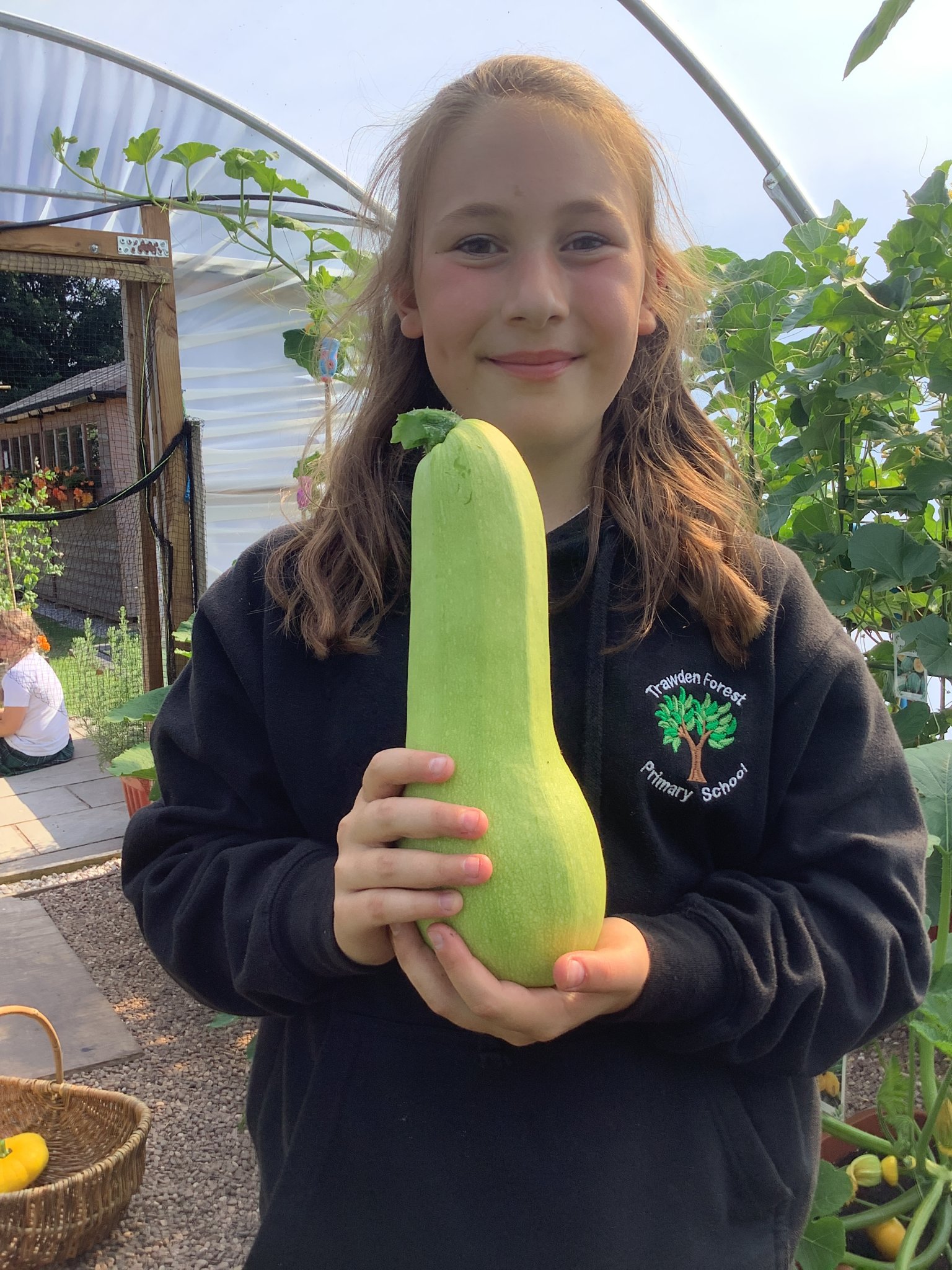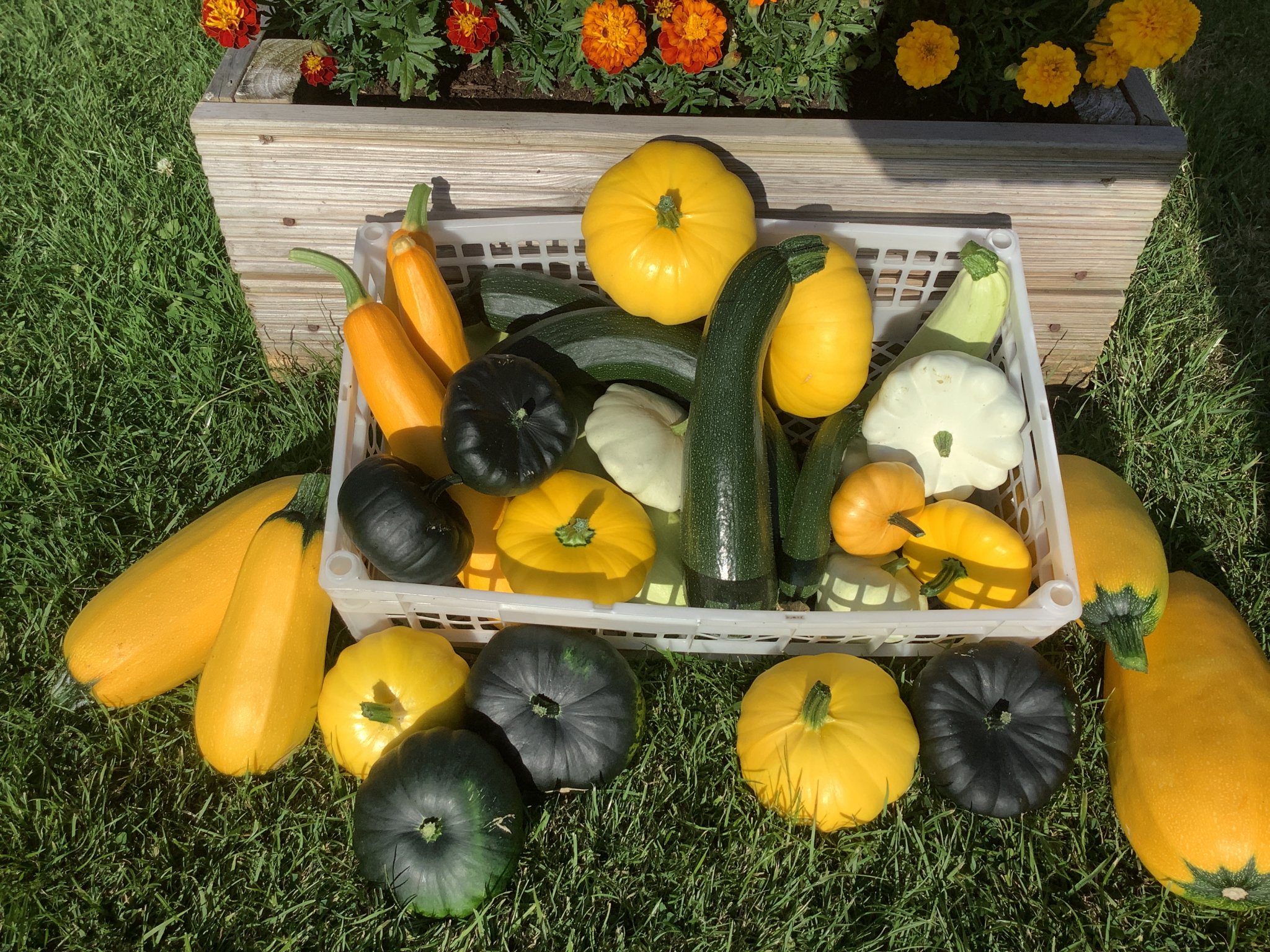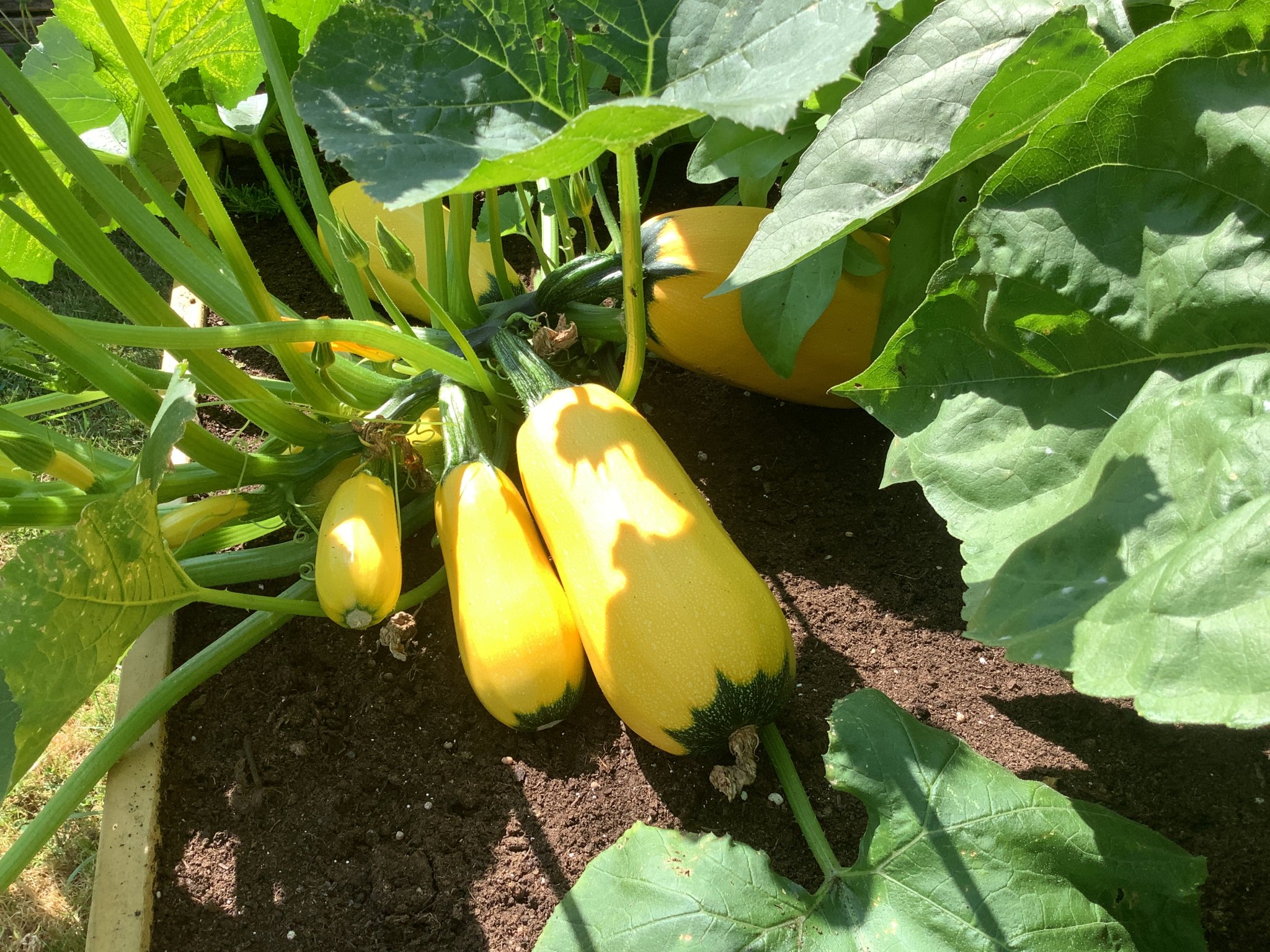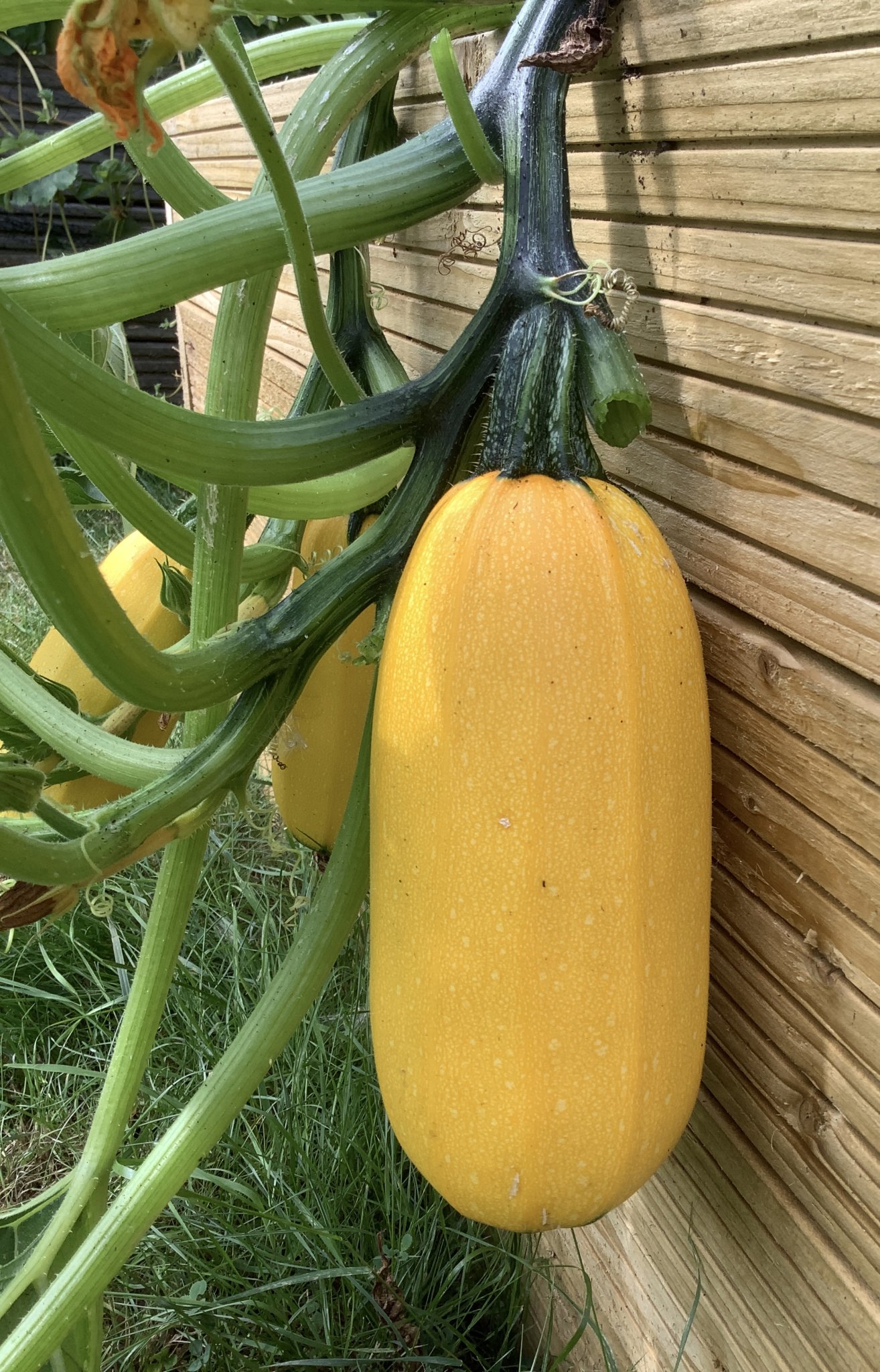
When you think of squash, what comes to mind? Perhaps a familiar green courgette, a bright yellow courgette or a pumpkin. But this year, we wanted to show our children that the world of squash is much more diverse than they might imagine.
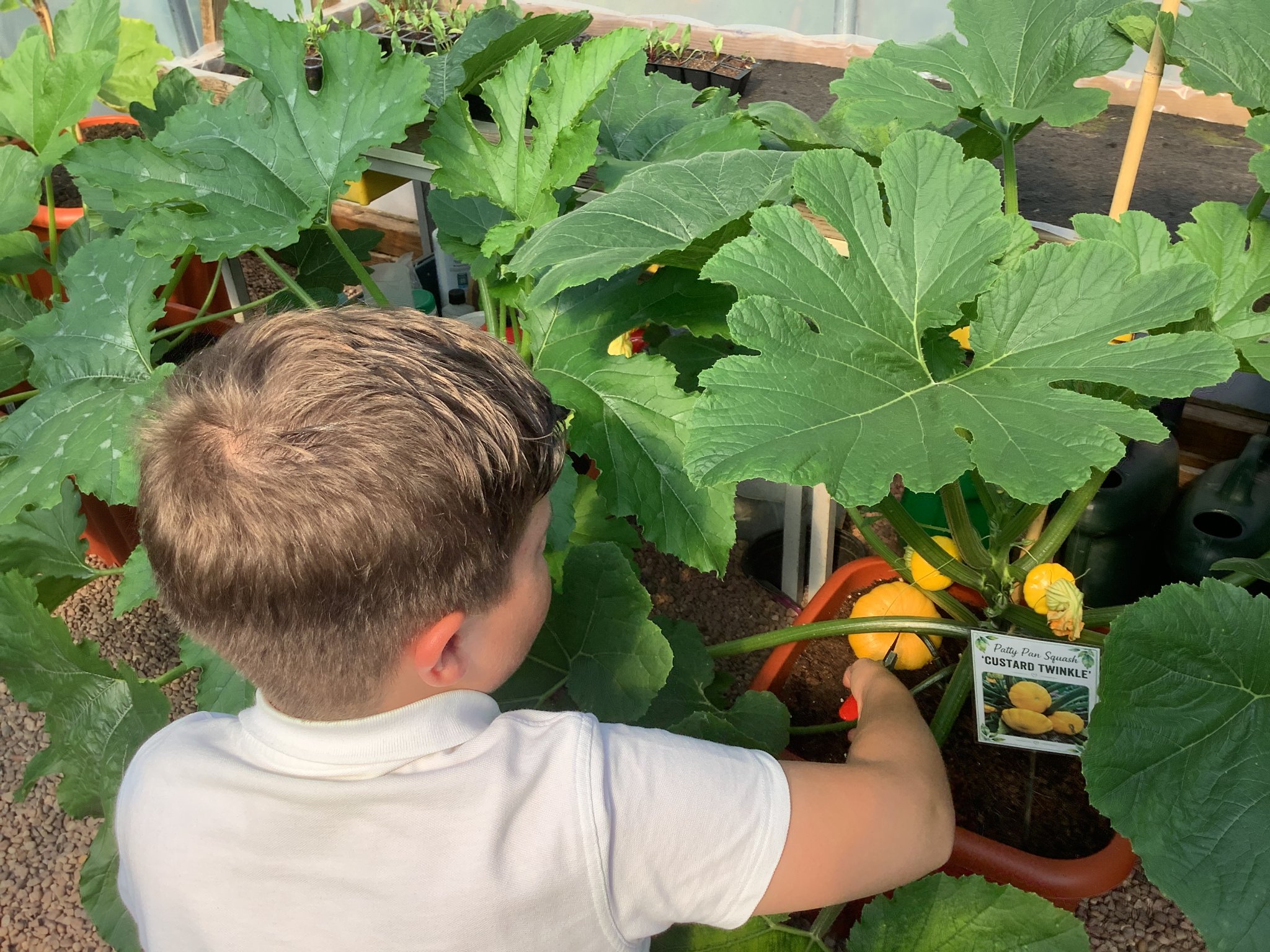
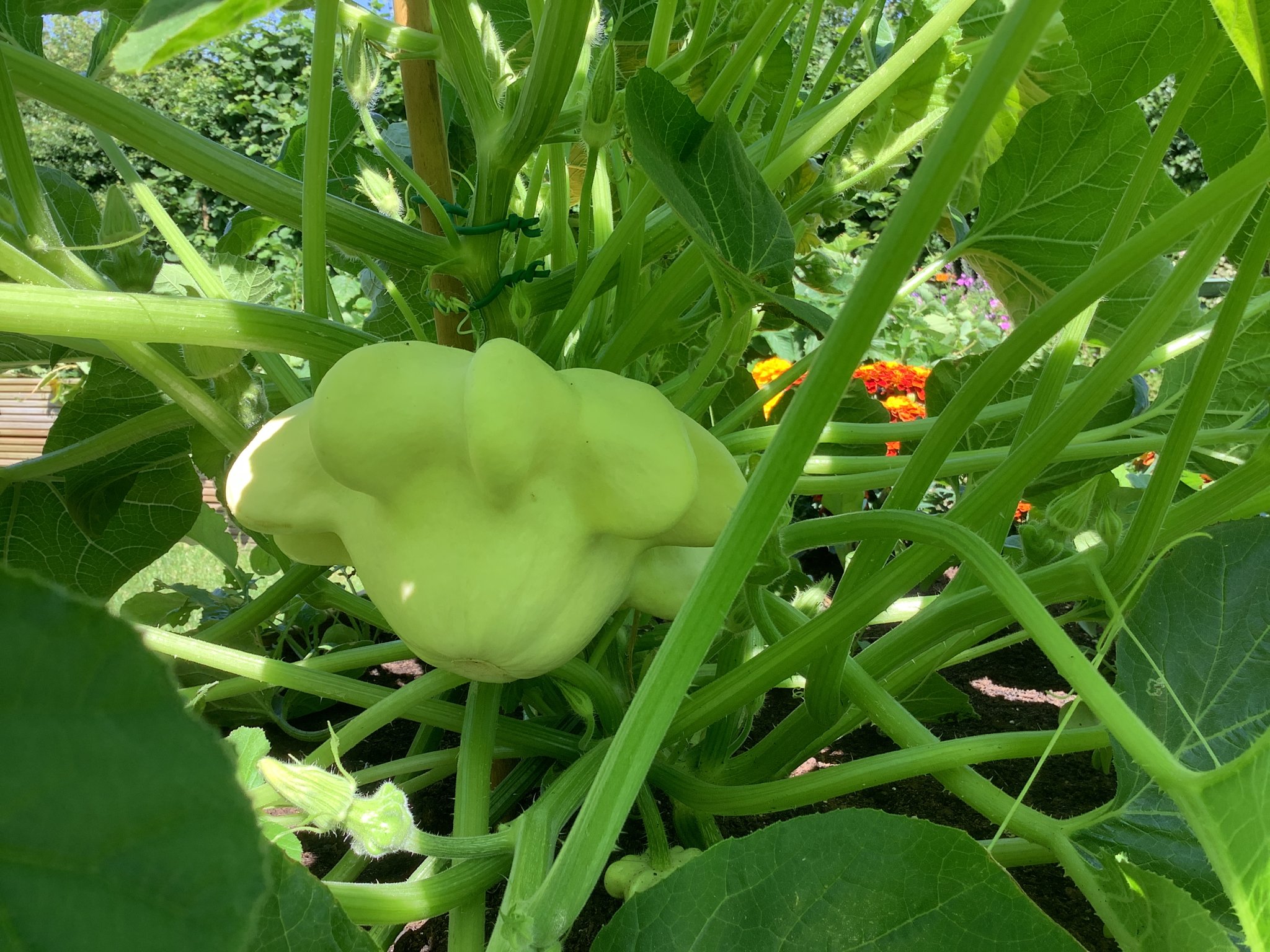
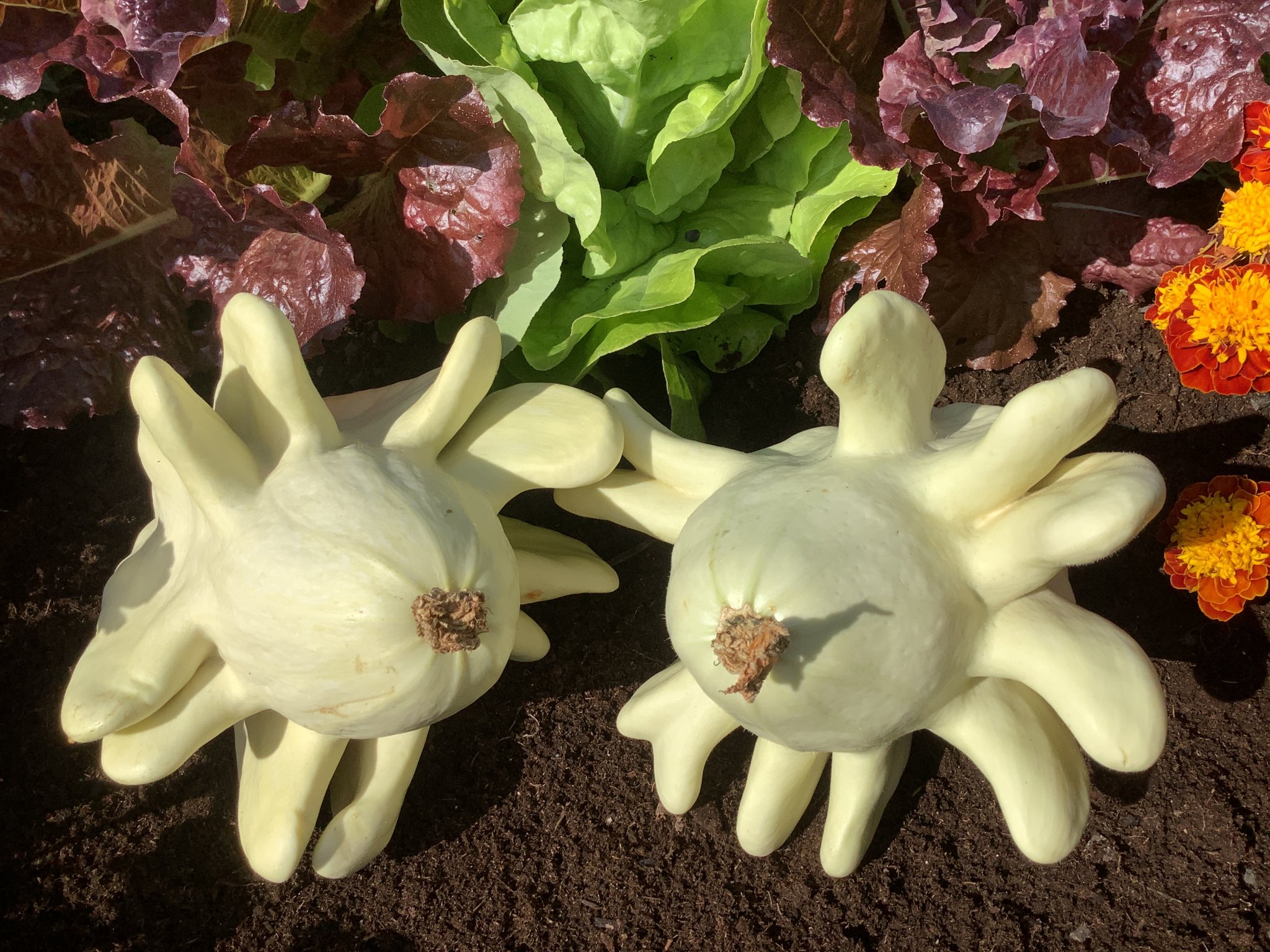
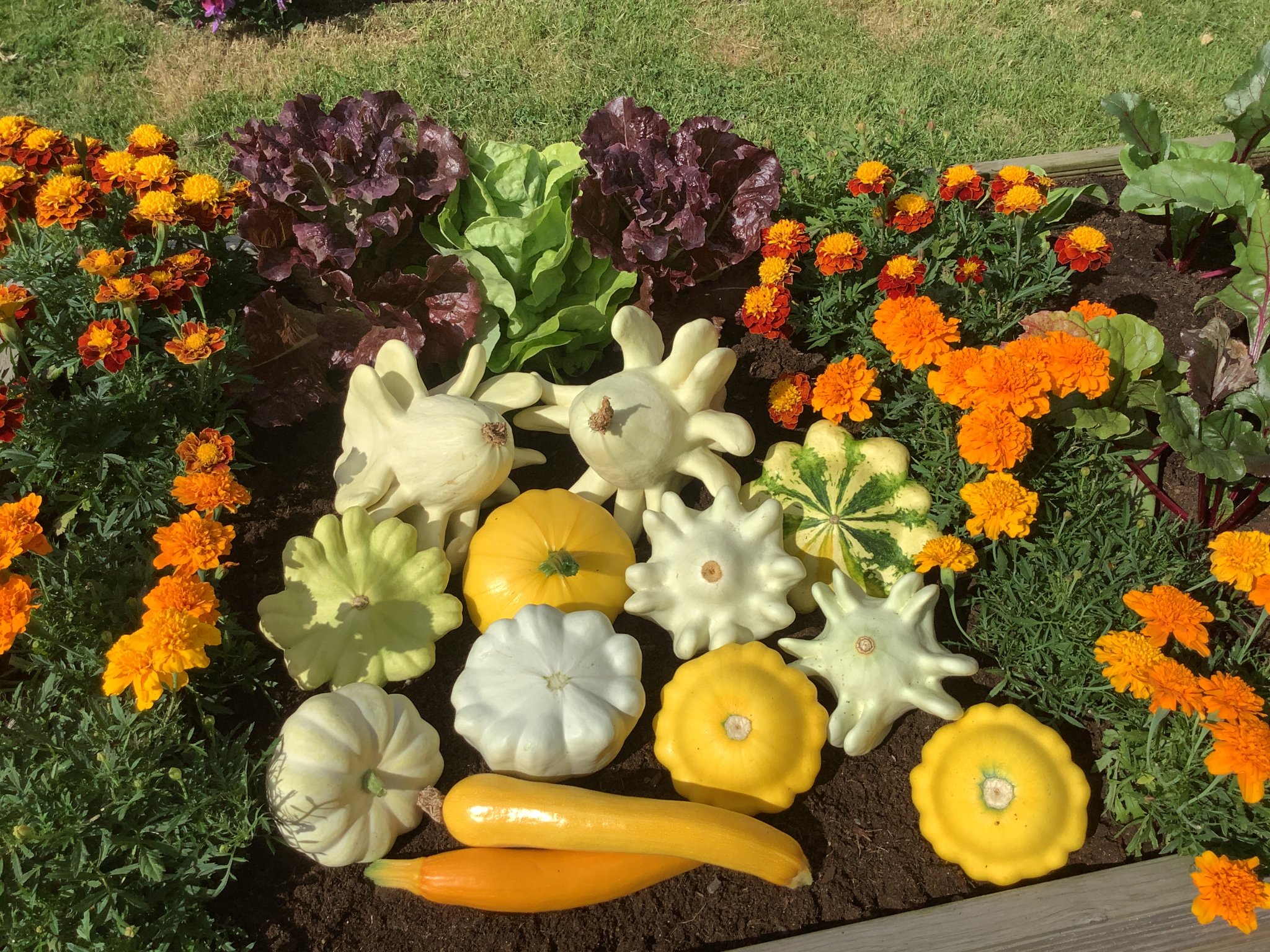
Alongside our green and yellow courgettes, we have been growing a fascinating collection of squash in the school garden. Some are familiar, while others are varieties the children may never have seen before.
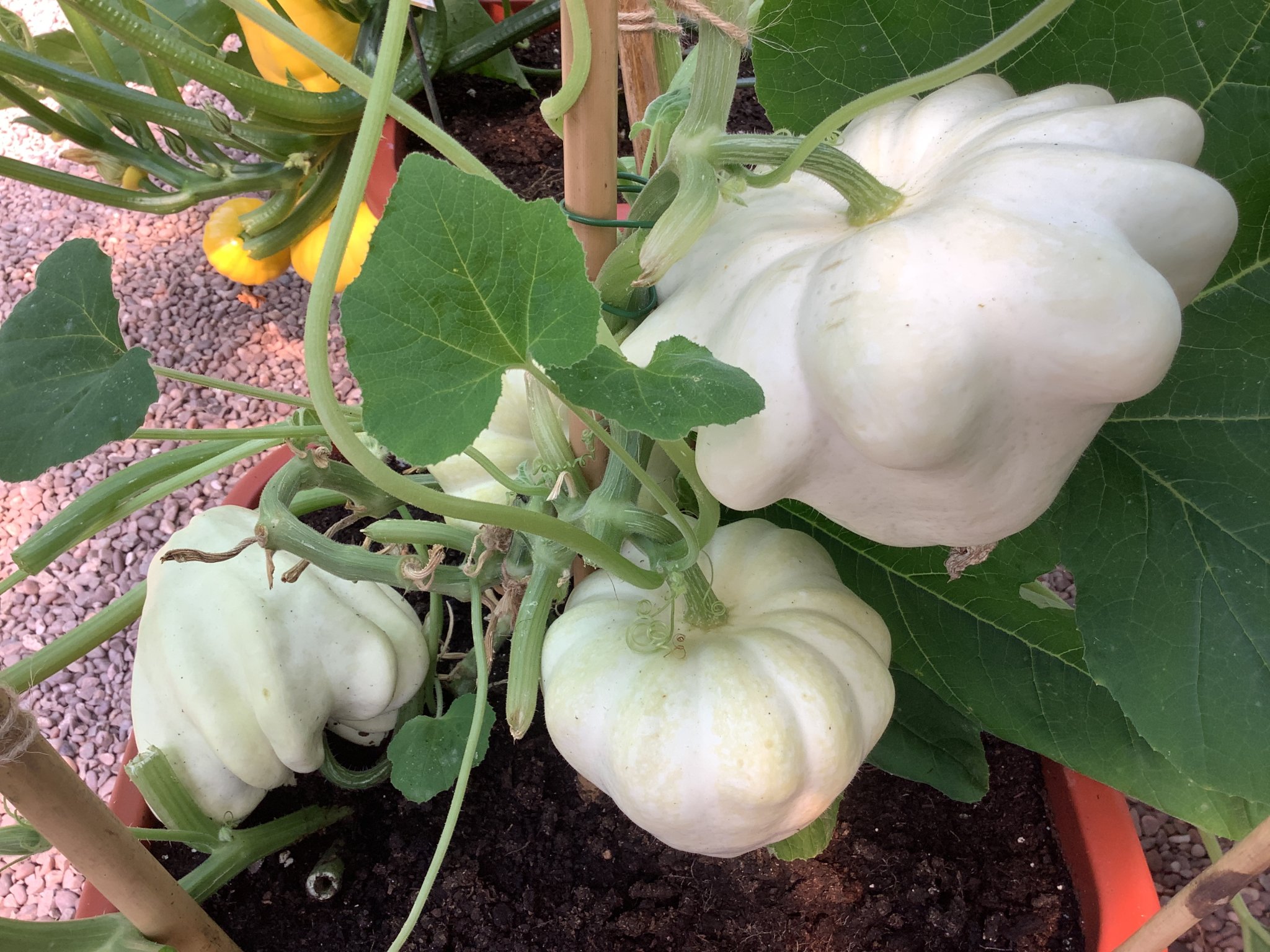
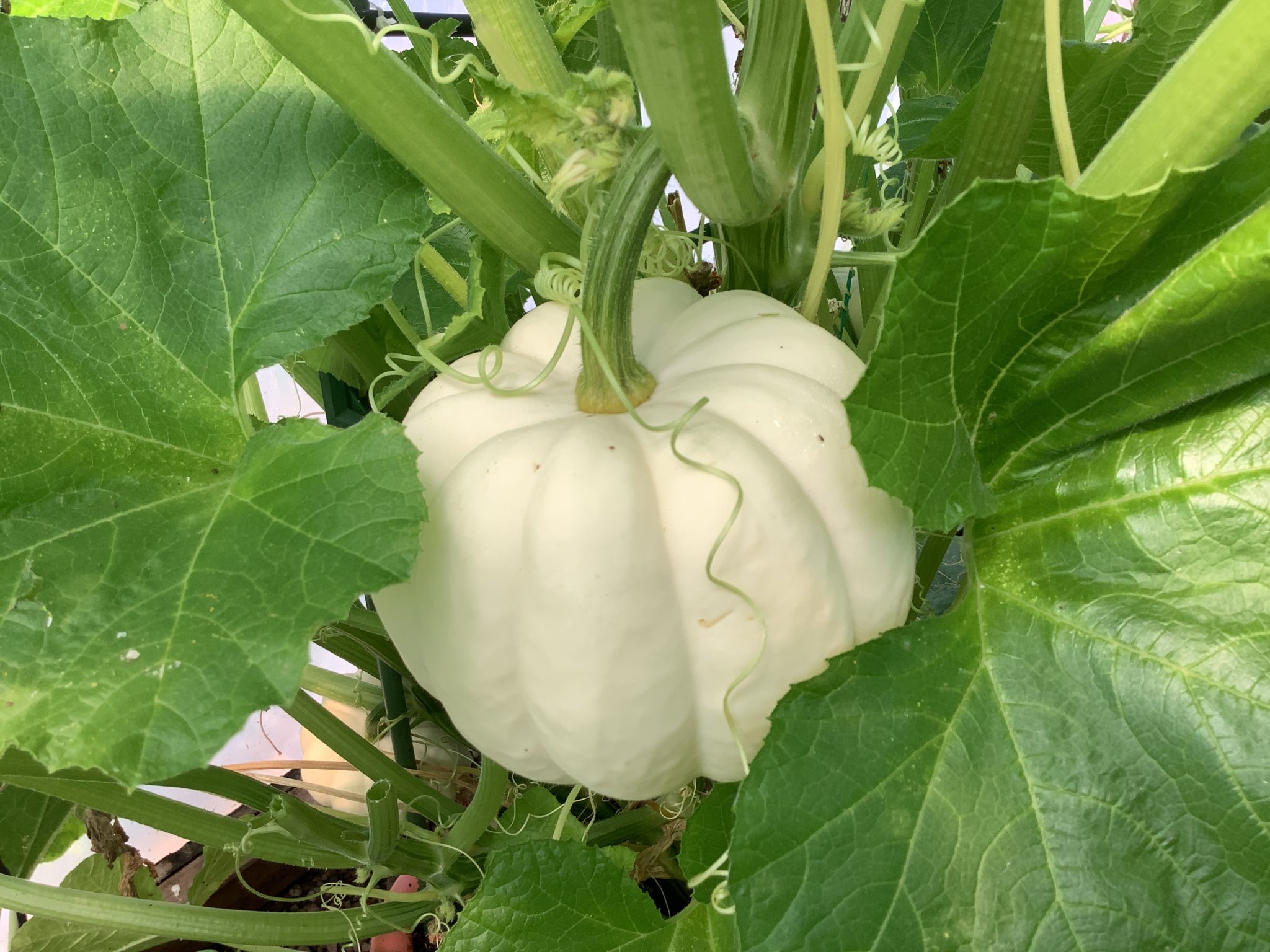
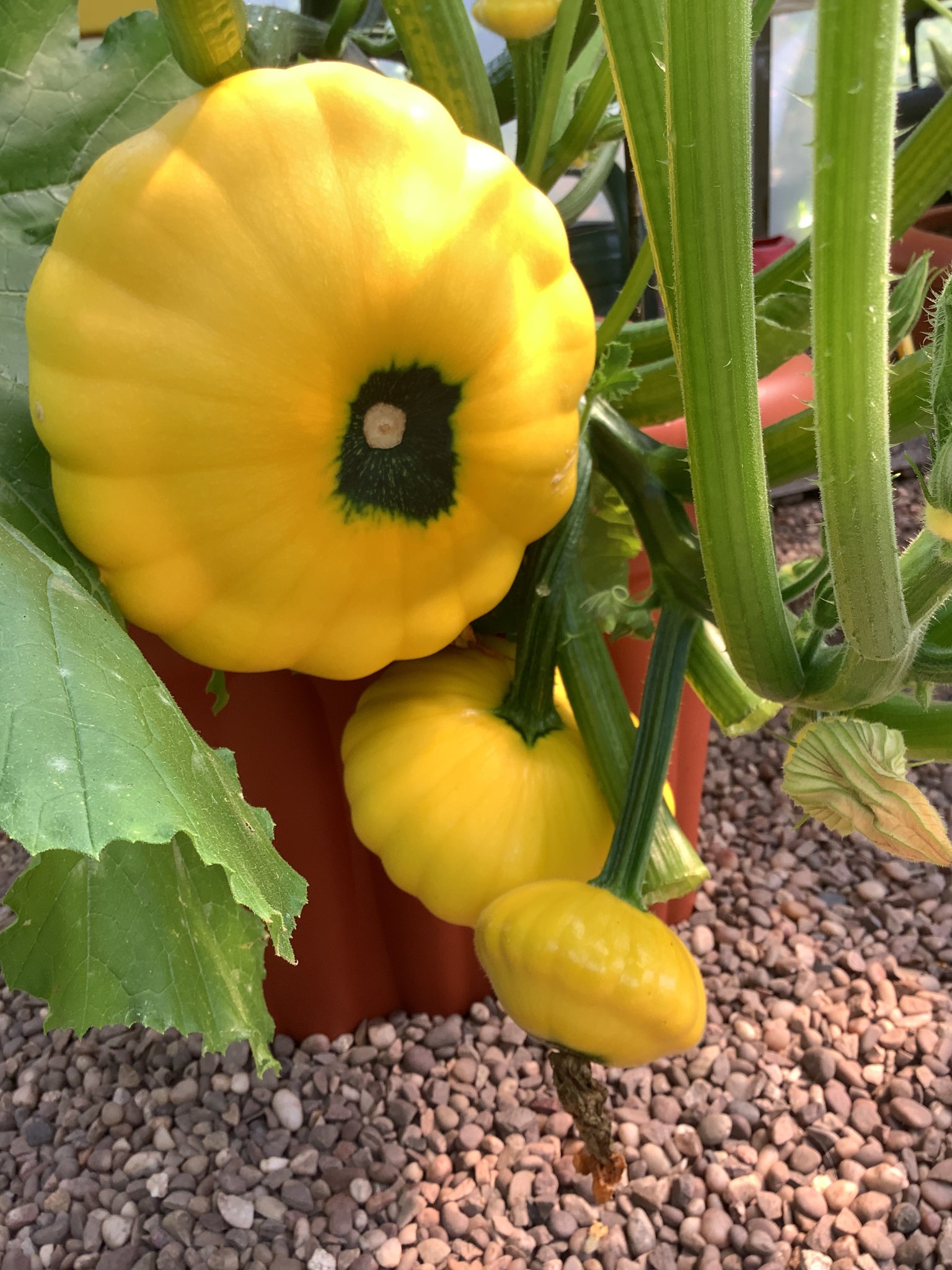
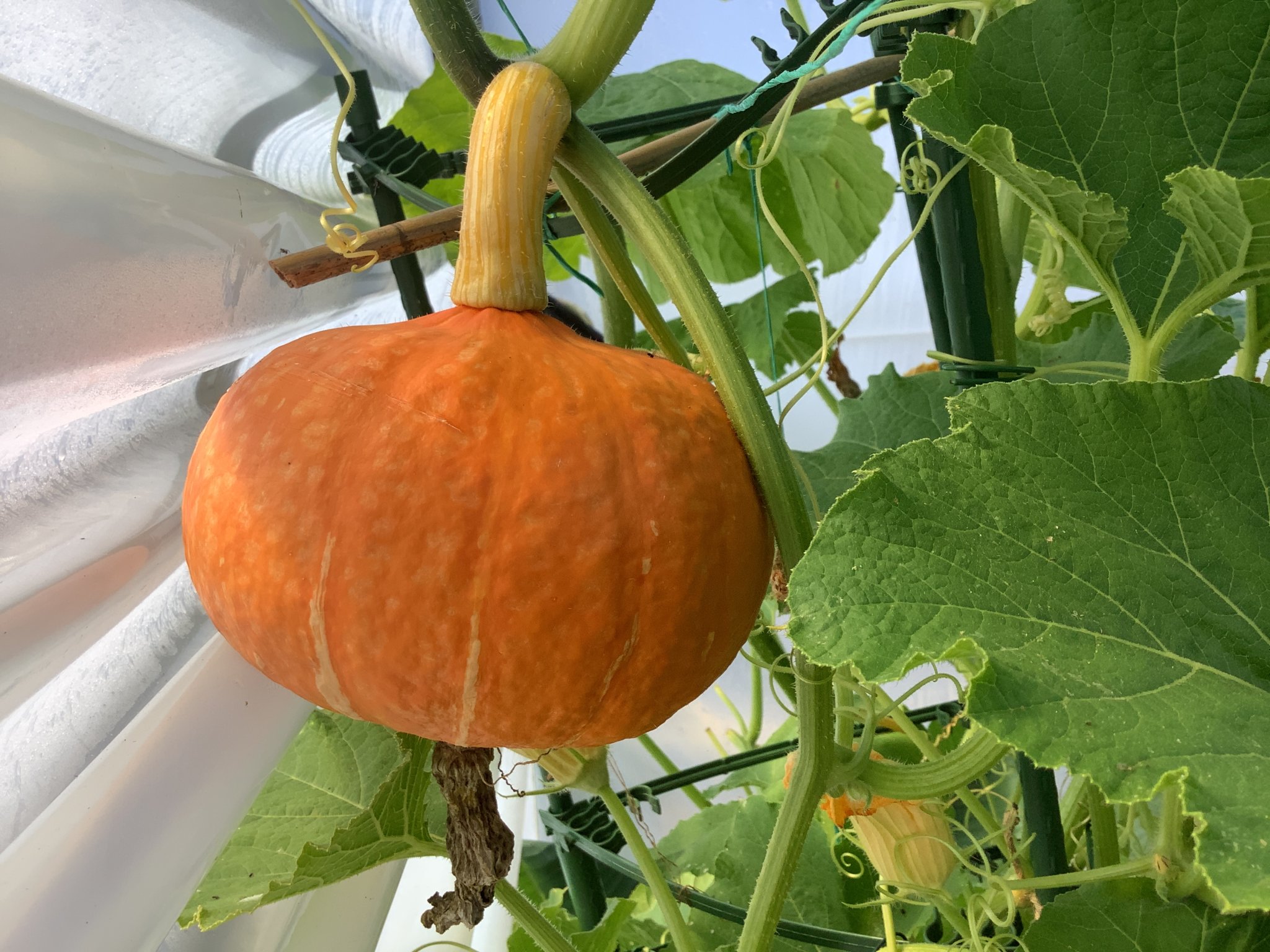
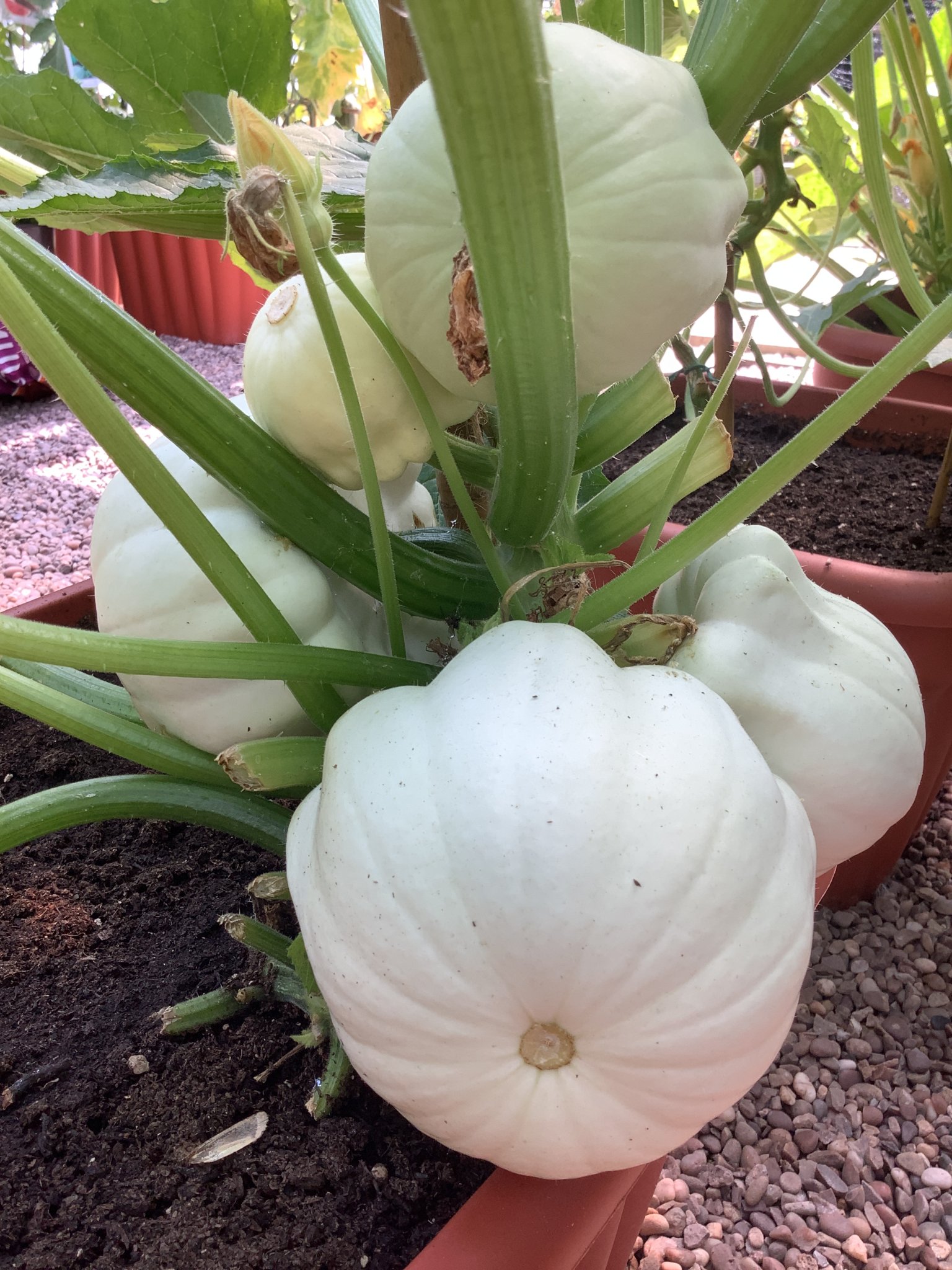
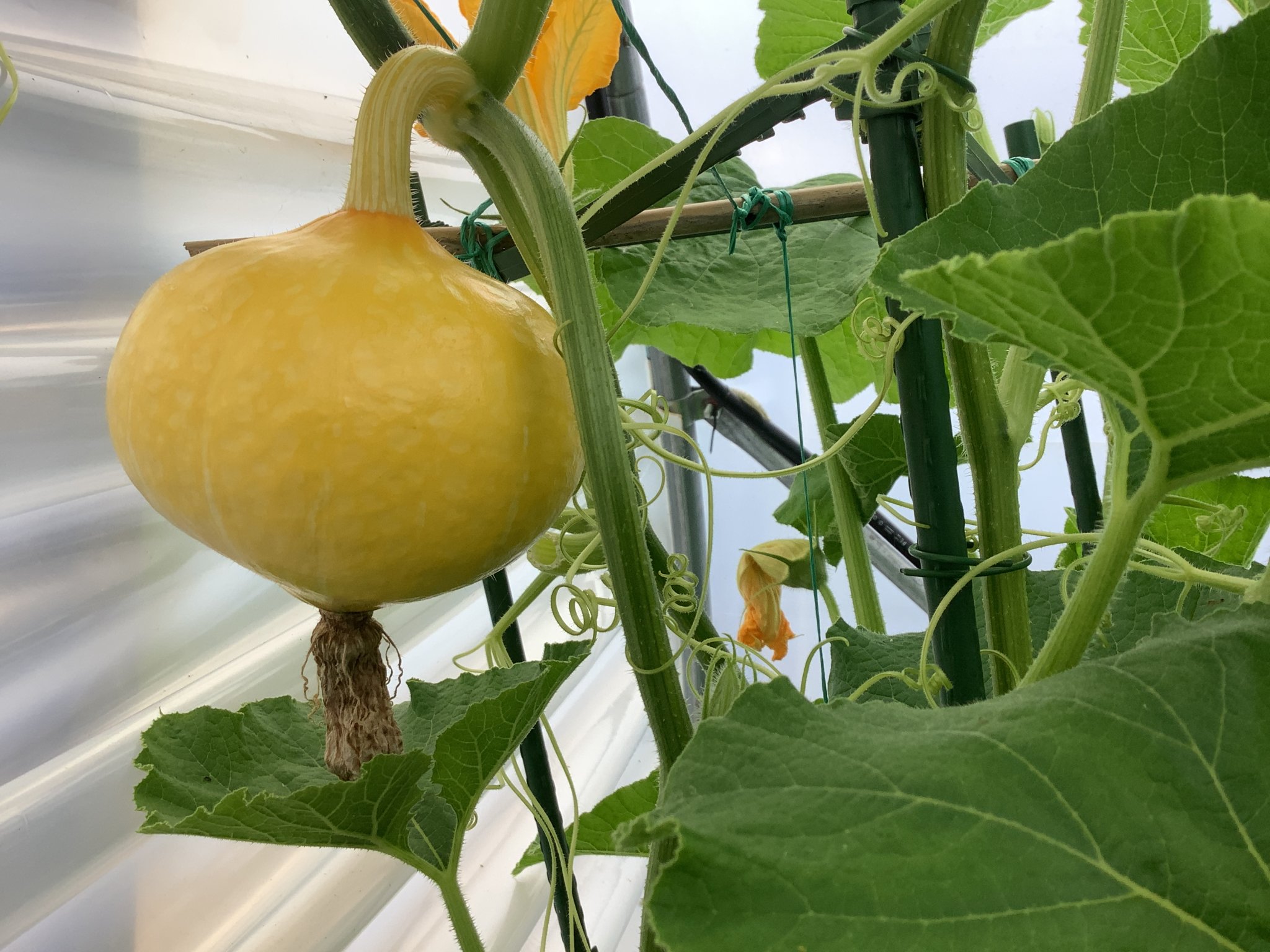
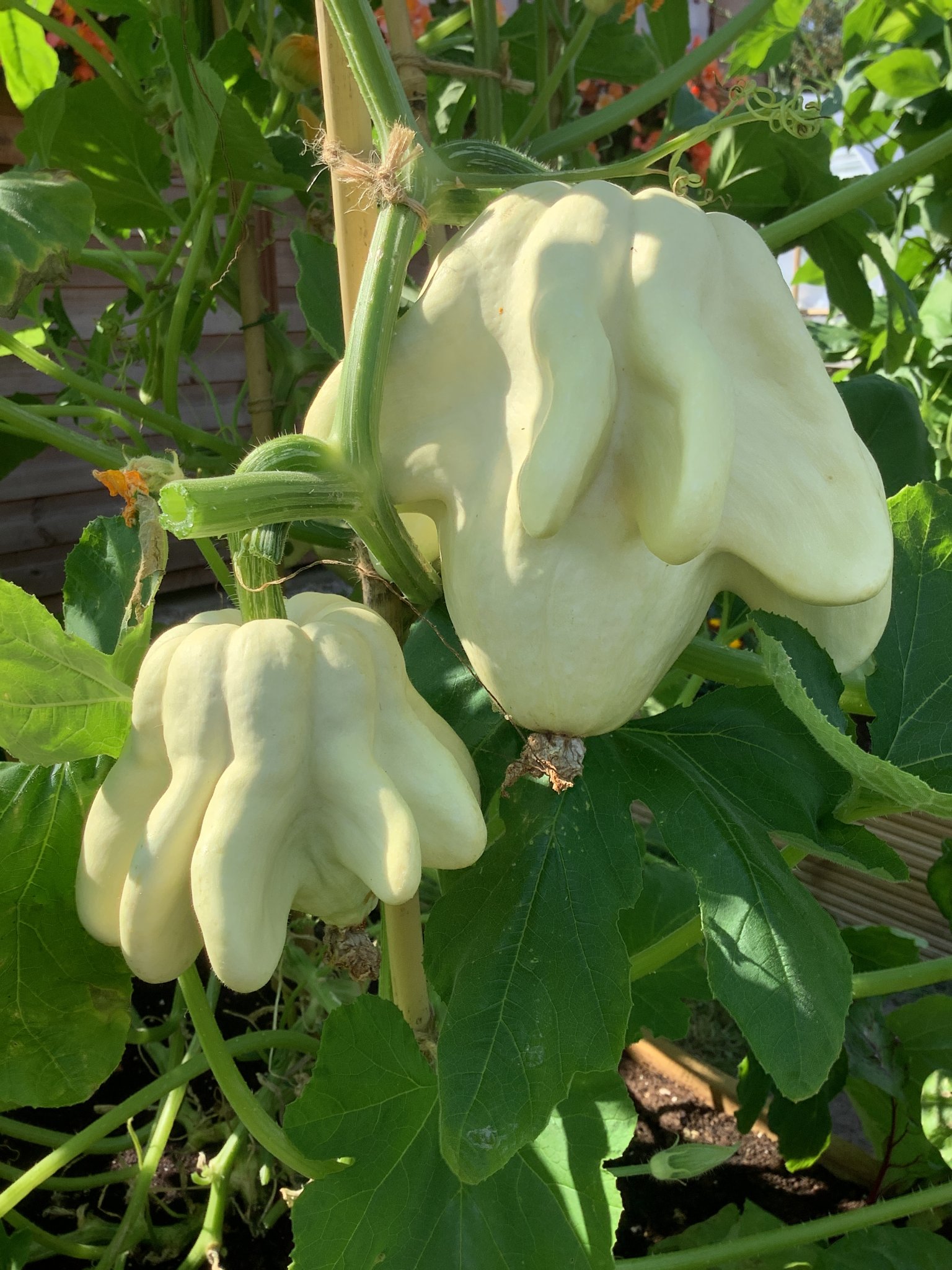
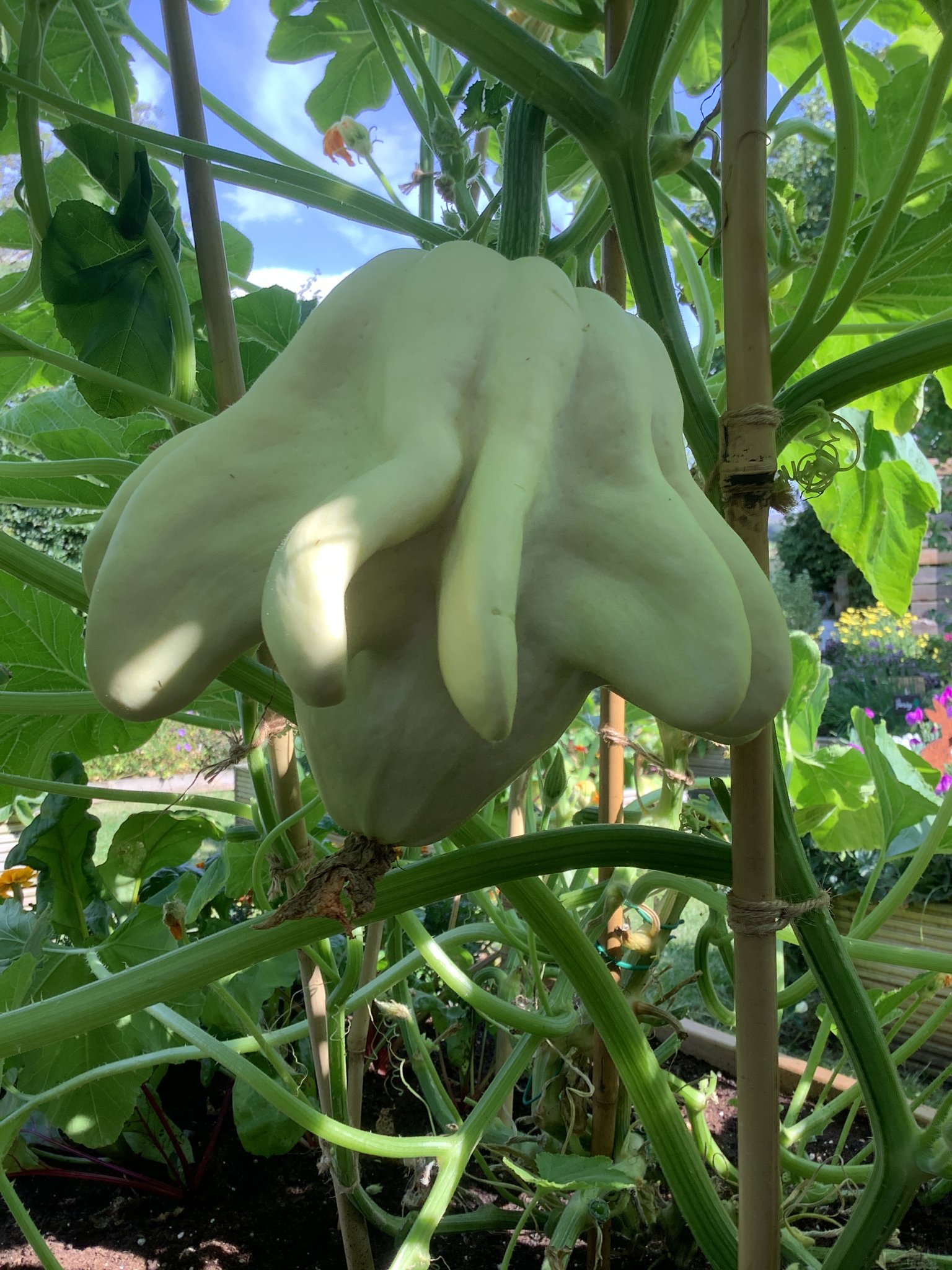
As the plants have grown, so has the children’s curiosity. Bush Baby and the unusual custard varieties have given us the chance to look at squash that are quite different from the courgettes we already know. Then there are the winter squash, with names that are almost as intriguing as the fruits themselves – Honey Bear, Sunshine, Spaghetti and Turks Turban.
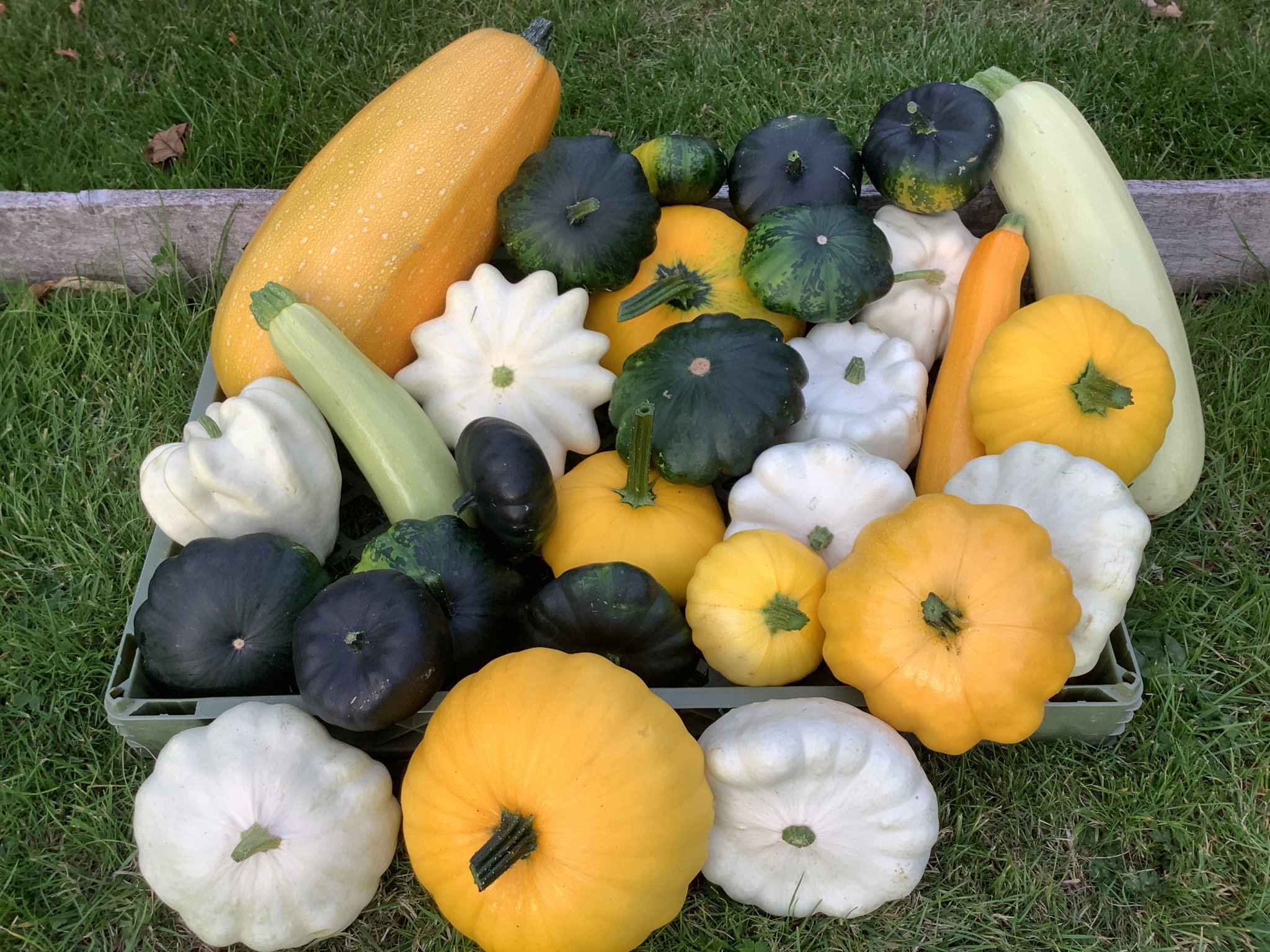
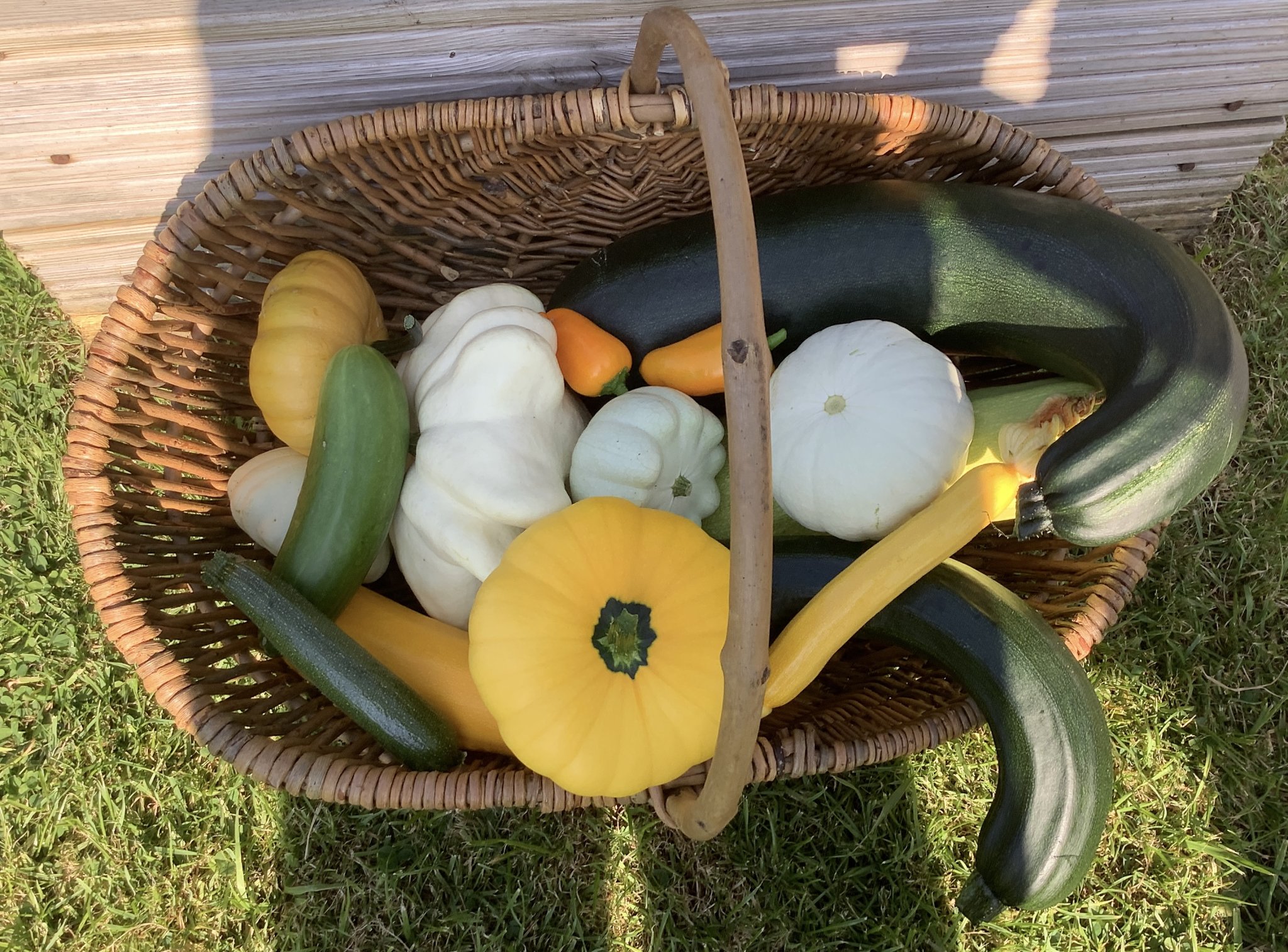
Pineapple squash has added yet another surprise, showing just how varied this family of plants can be. With such a mixture growing around the garden, the children can compare their different shapes, colours, sizes and textures and begin to understand that a courgette isn’t simply “a squash”, it is just one small part of a much bigger family.
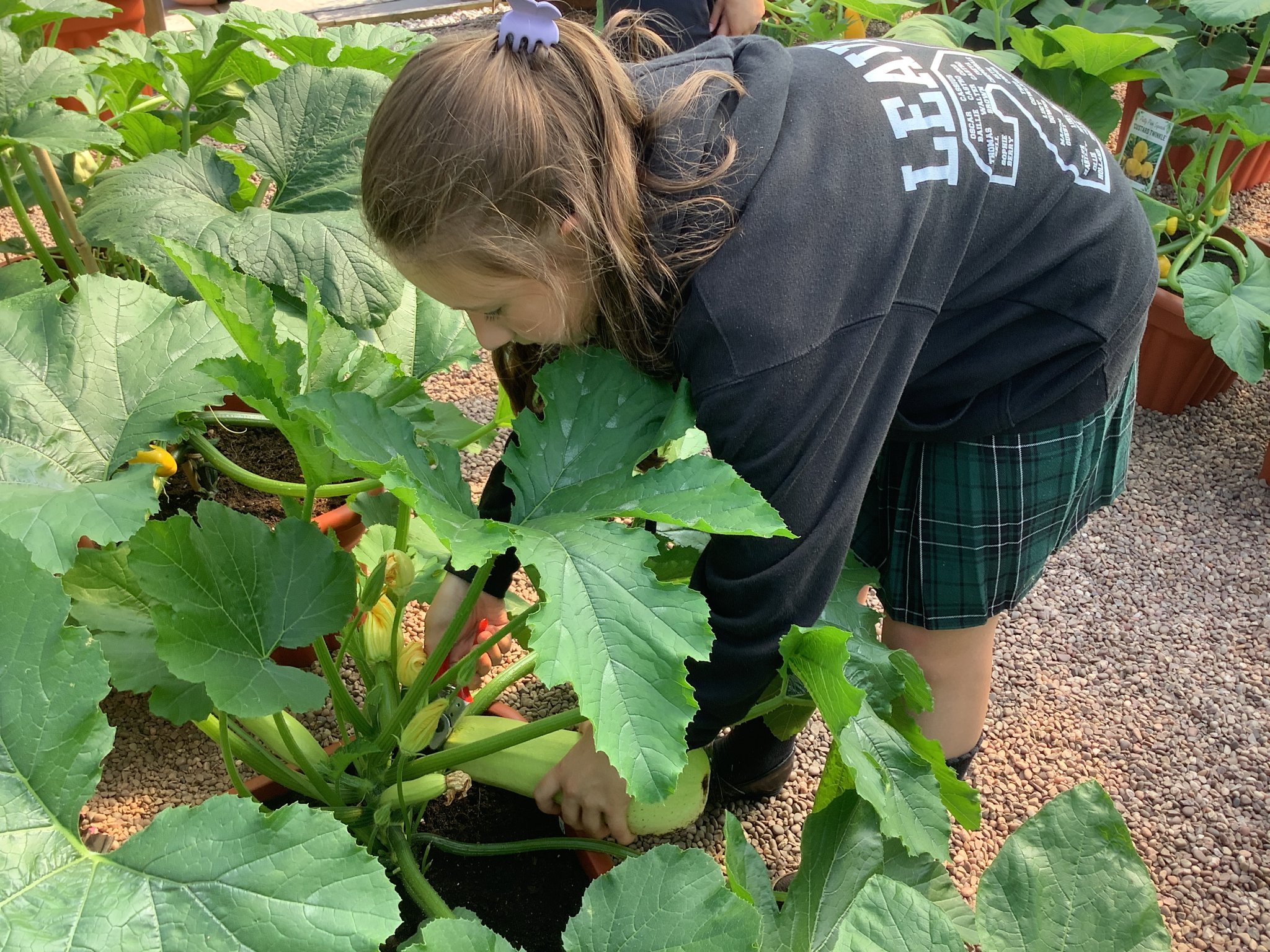
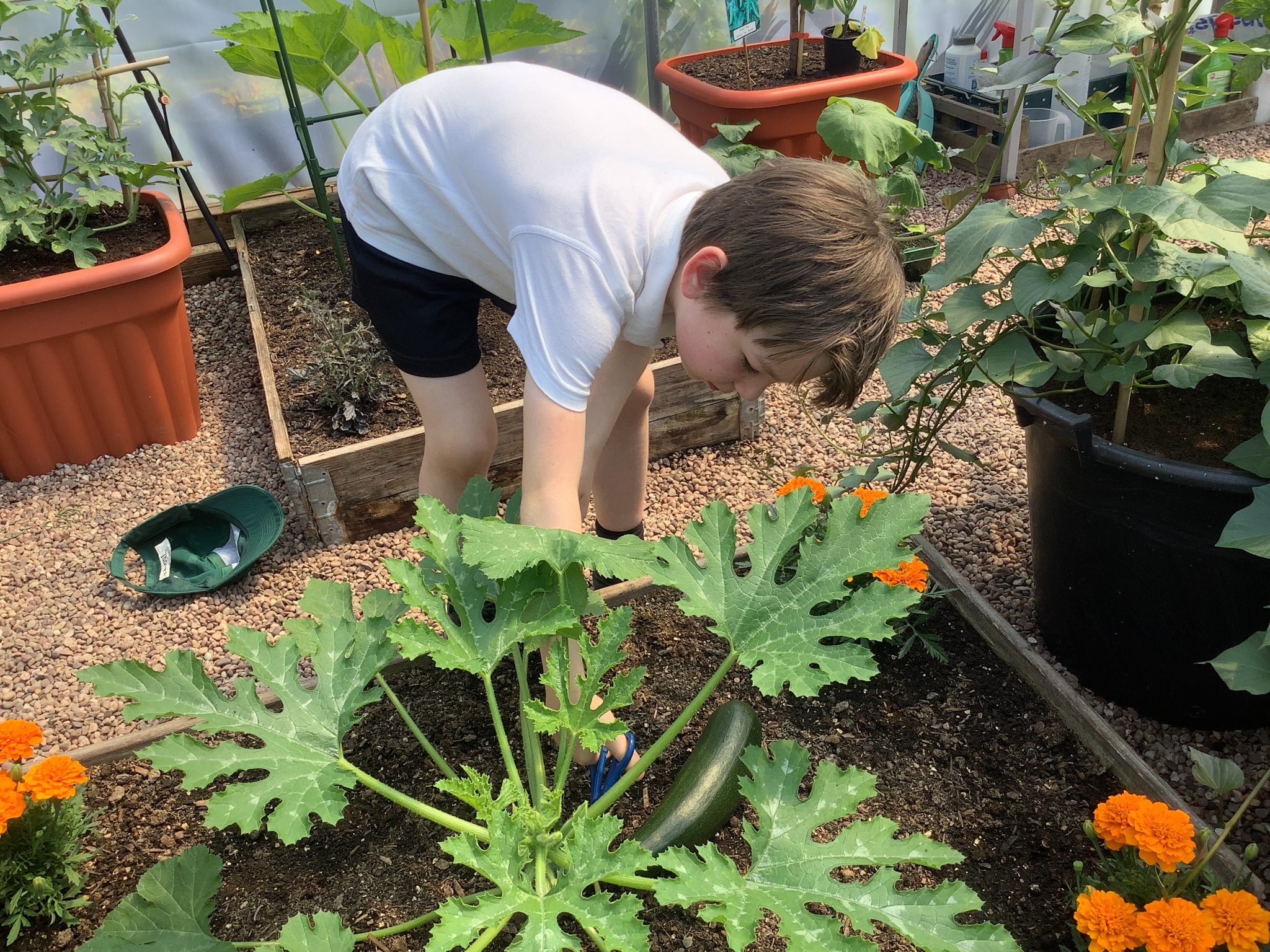
There is a difference in how we grow and harvest them too. Summer squash are generally picked while they are still young, when their skins are tender, whereas winter squash are allowed to mature fully on the plant. This gives the children the opportunity to see how different members of the same plant family can be grown, harvested and used in very different ways.
But the learning begins long before there is anything to harvest.
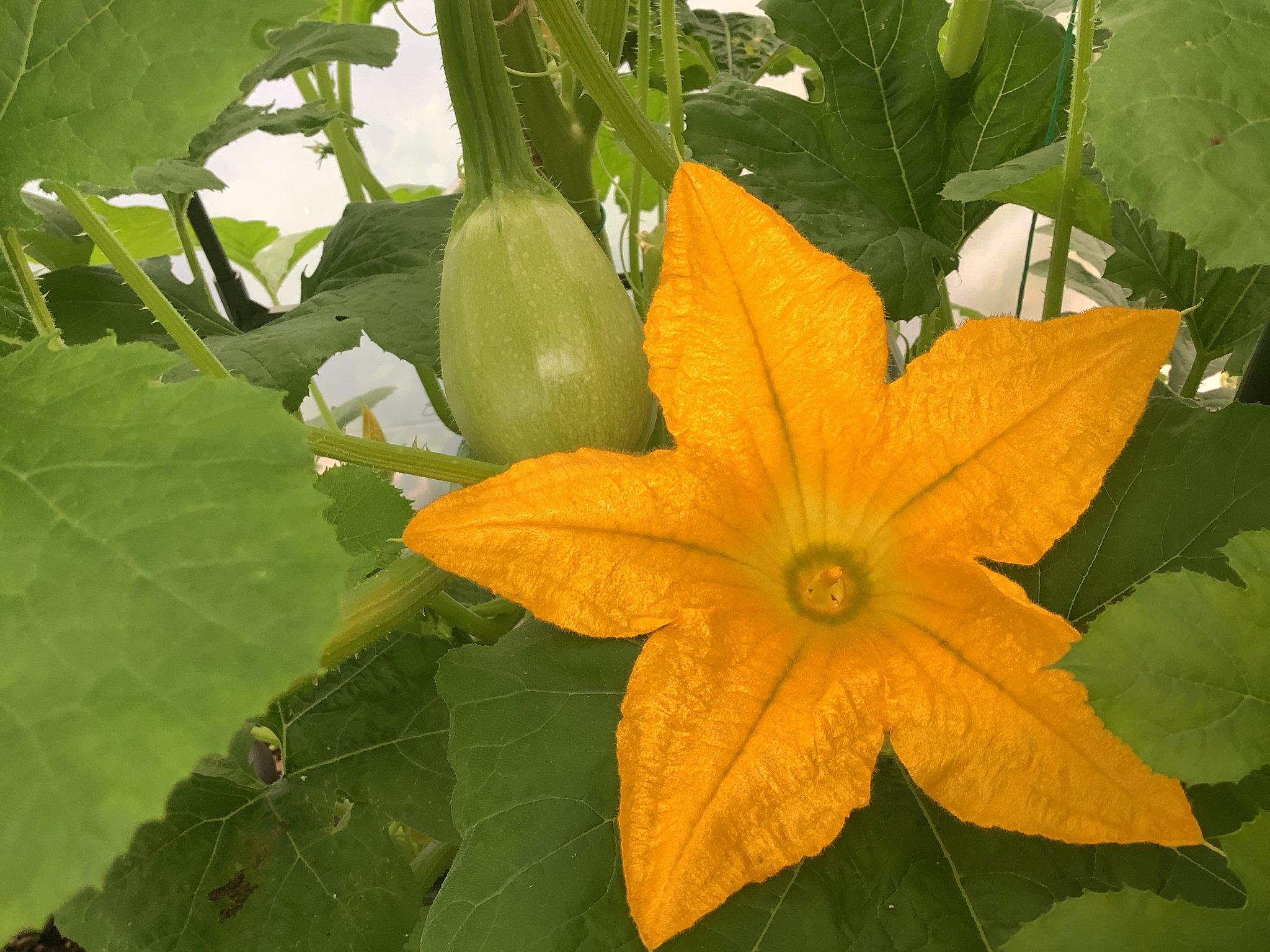
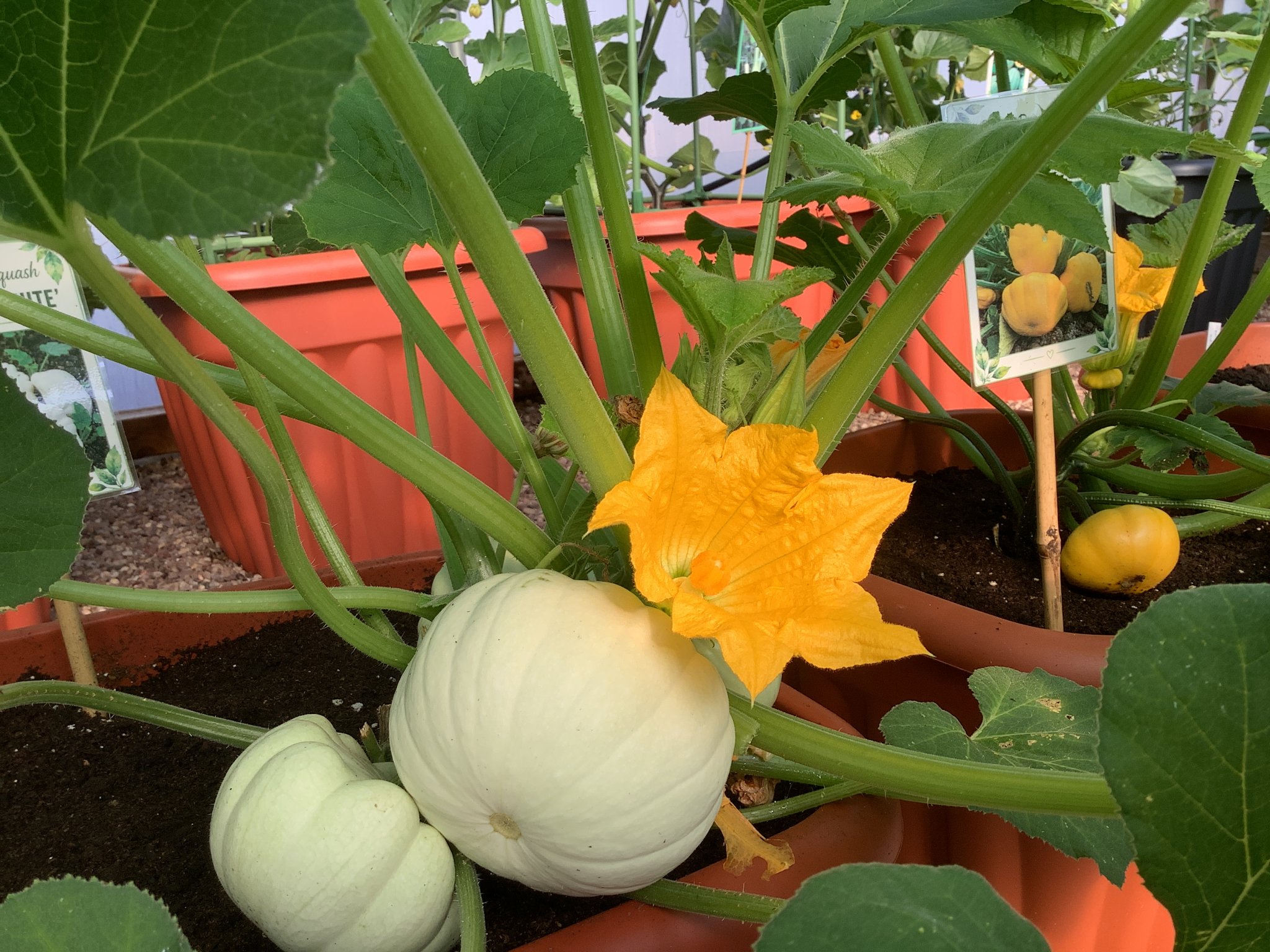
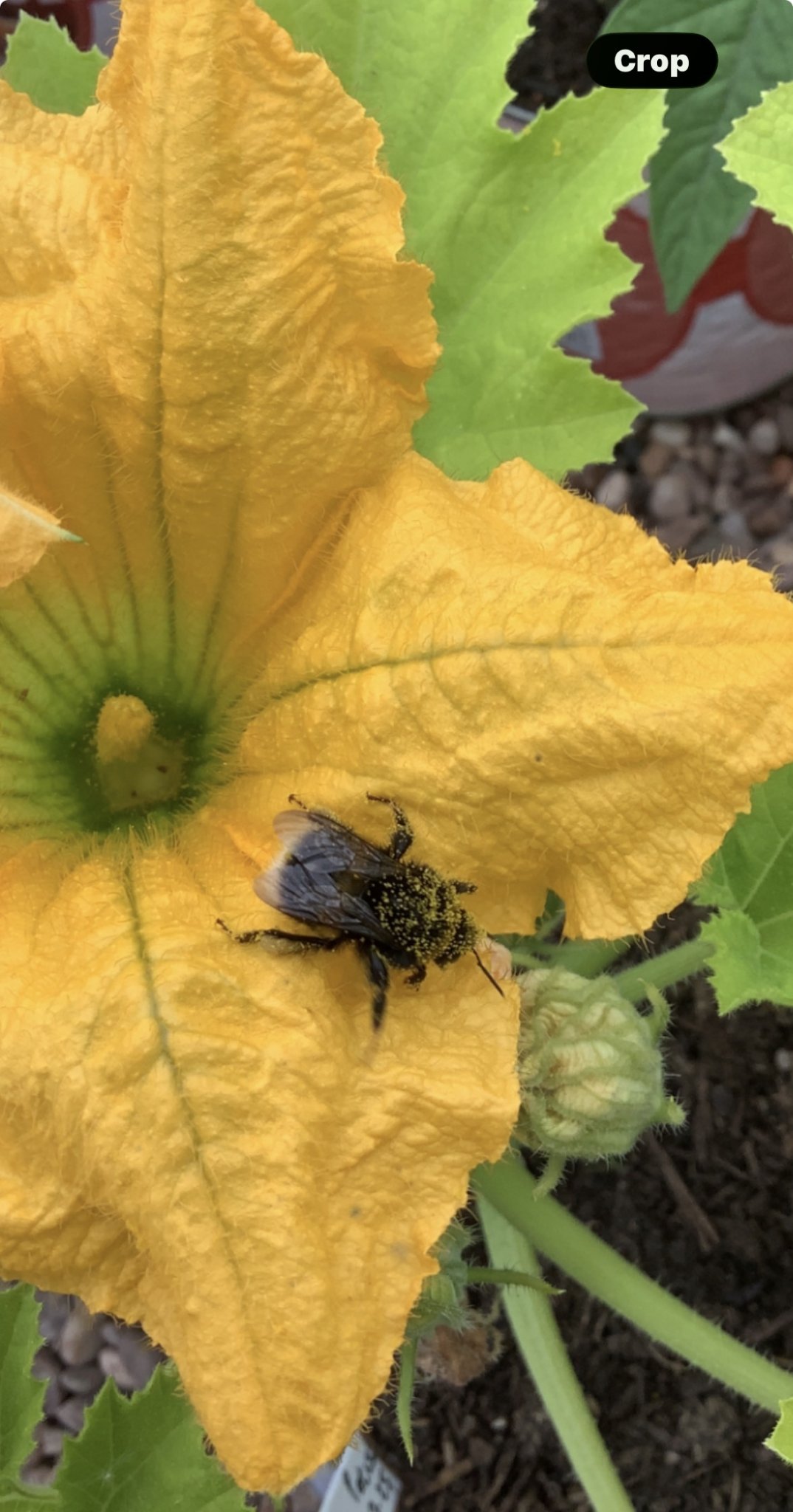
Starting from seed, the children can follow the plants as they emerge, develop their leaves and eventually produce their bright yellow flowers. Then comes the excitement of spotting tiny fruits beginning to form beneath the blooms. Over the growing season, those tiny fruits gradually change, giving the children a front-row seat to the journey from flower to food.
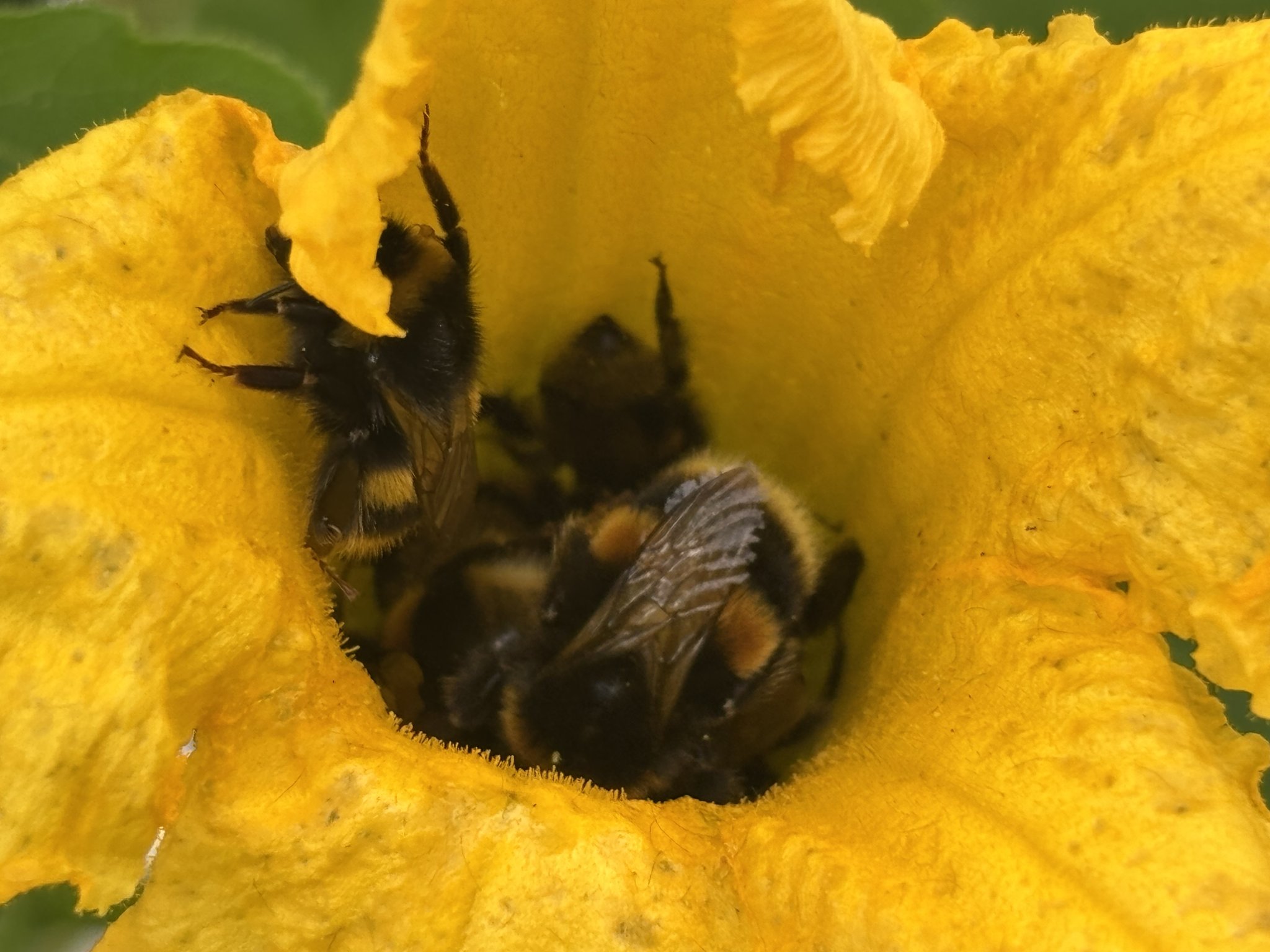
The flowers also provide an opportunity to look at pollination and the insects visiting our garden. By watching the plants develop, children can begin to understand the important connection between flowers, pollinators and the food that eventually reaches our plates.
And perhaps one of the most exciting things about growing such a diverse collection is the element of surprise. Some of these varieties simply wouldn’t be something the children would encounter in their weekly shop. Growing them ourselves allows the children to see the incredible diversity that can exist beyond the familiar vegetables found on supermarket shelves.
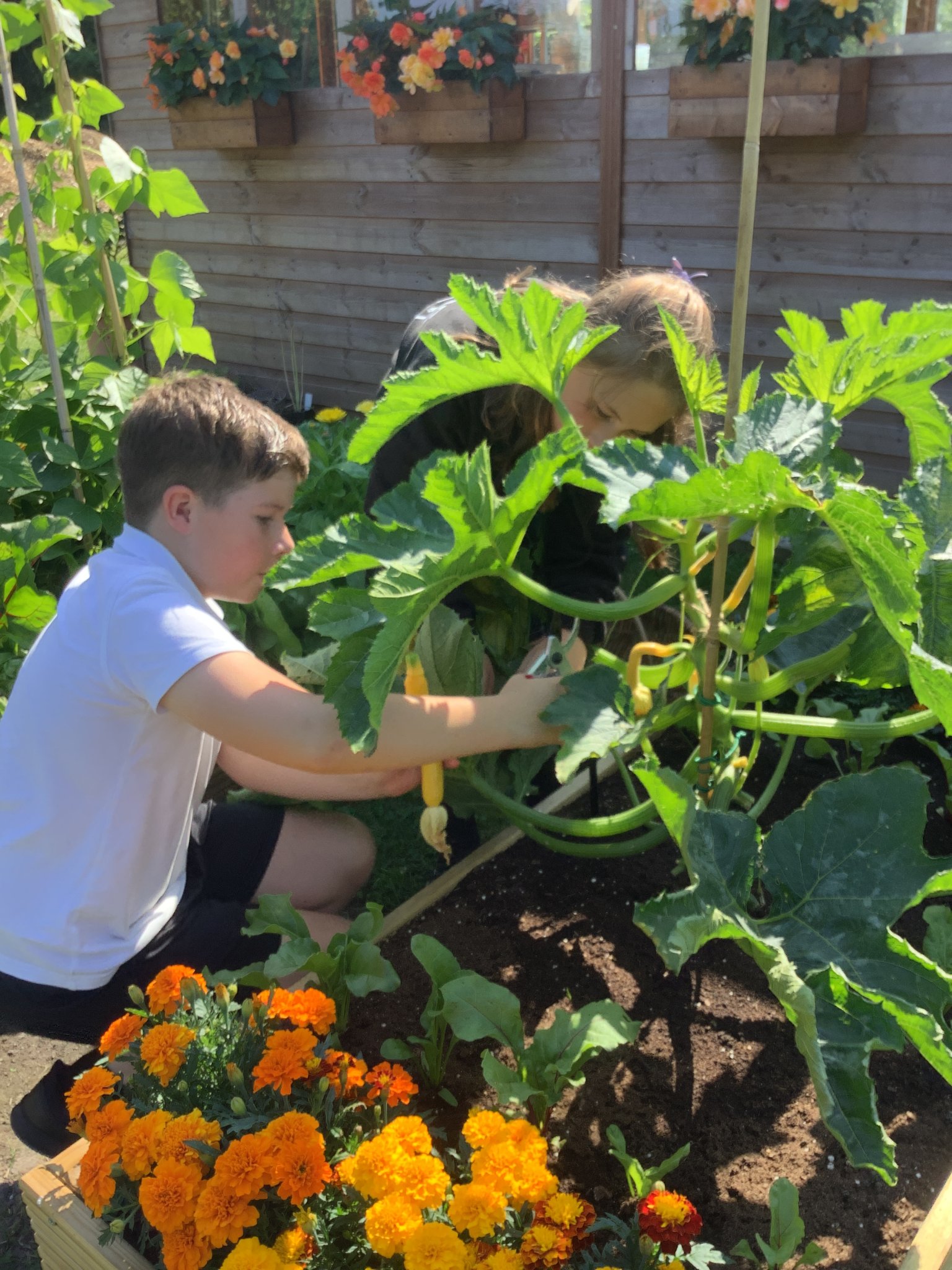
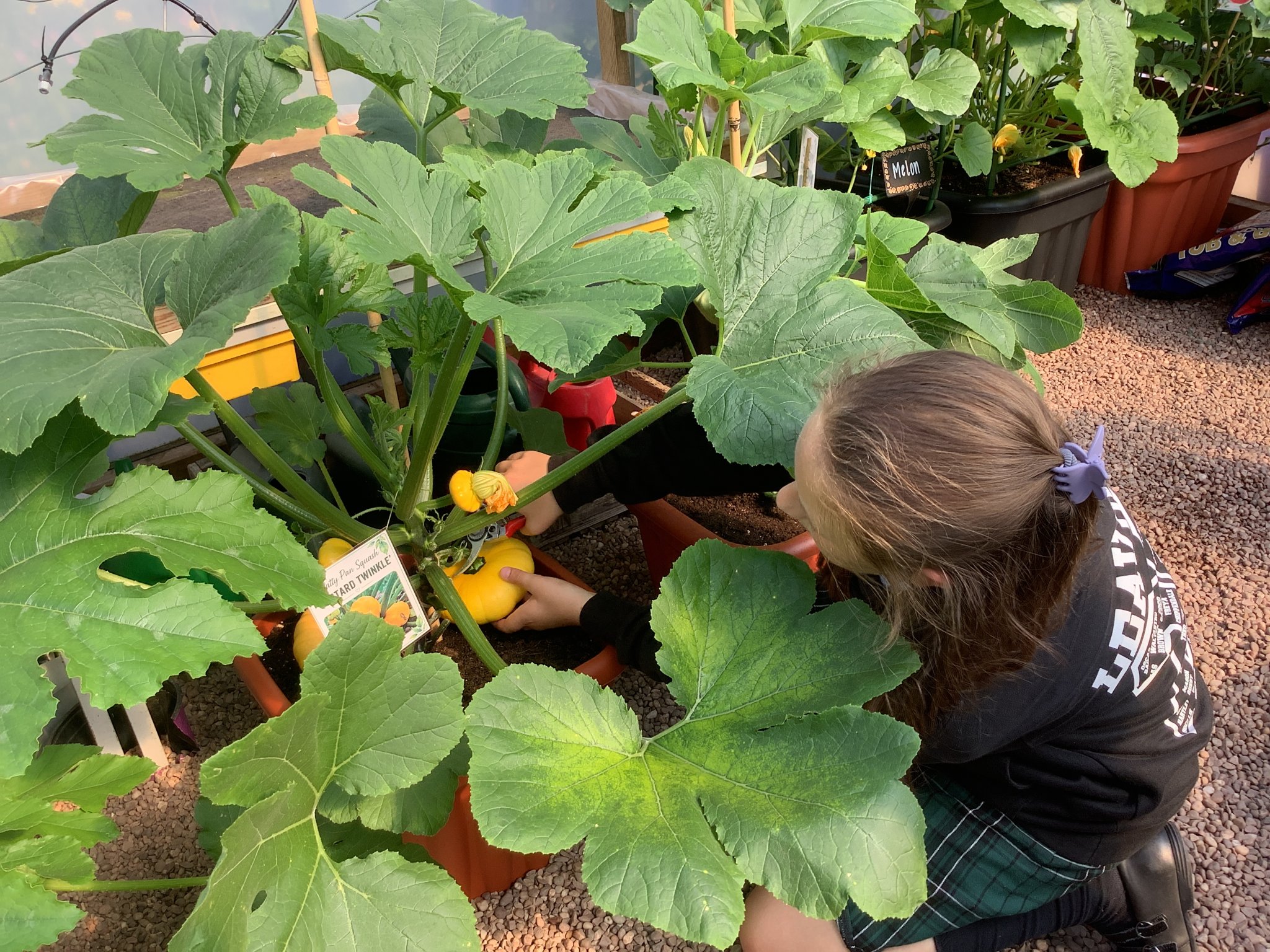
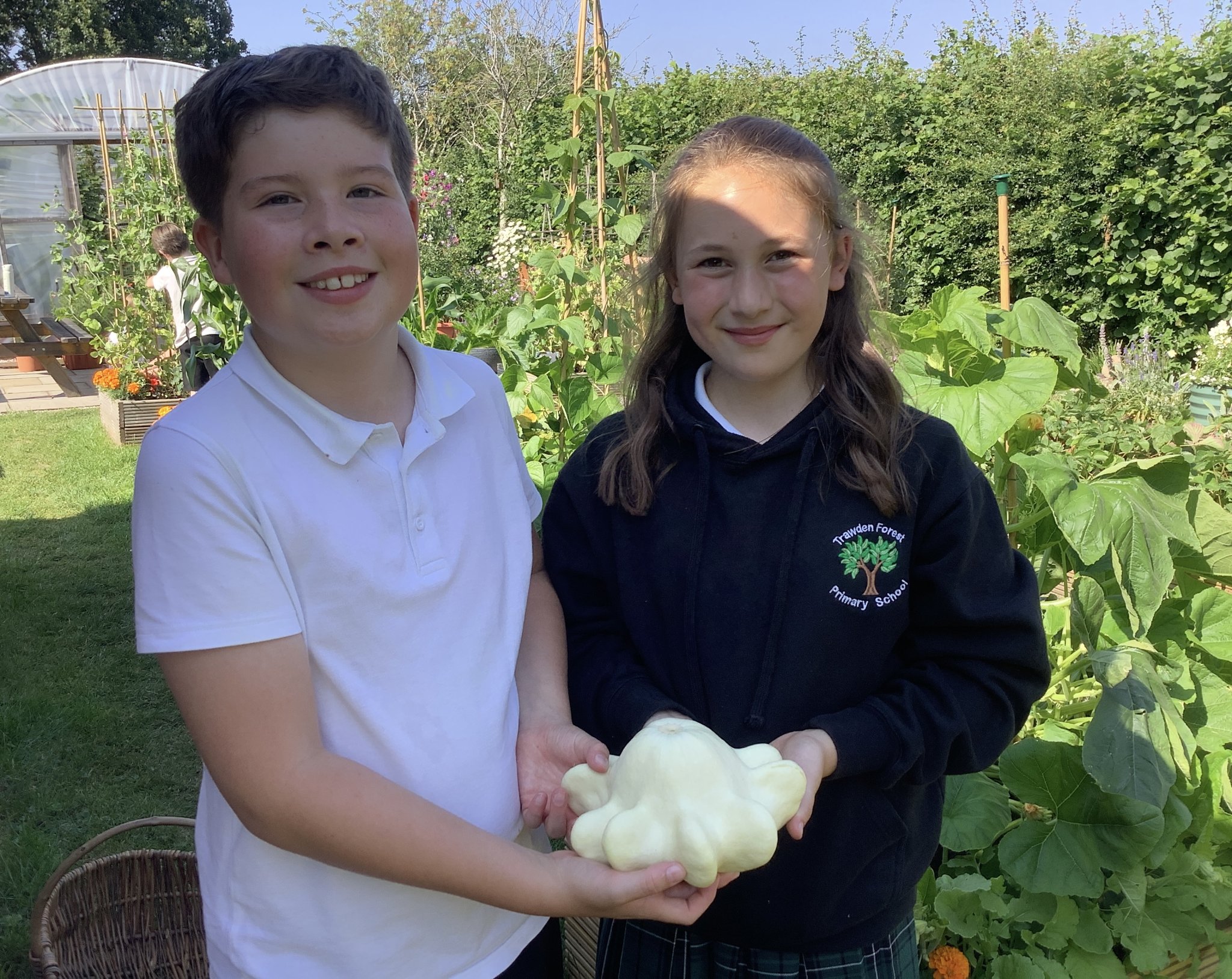
As the season progresses, we are already beginning to harvest some of our squash, giving us the opportunity to continue watching, comparing and discovering what our plants produce before bringing some of our harvest into our Plant to Plate activities.
From the first tiny seedling to the flowers, developing fruits and eventual harvest, our squash plants are giving the children much more than a crop. They are giving them something to observe, question and discover – and showing them that growing food can be full of surprises.
Gardening Club - 310726 A Squash for Every Season